Minimalist Luxury Neutral Outfits: Quiet Pieces That Still Photograph Well
A neutral outfit guide using direct Outfitreps product pages for knits, watches, bags, jackets, and understated layers.
This guide is part of the CNFans Supersheet library for cnfans shoppers, cnfans spreadsheet research, cnfans finds discovery, agent-ready product links, QC-style checks, and outfit planning before buying.
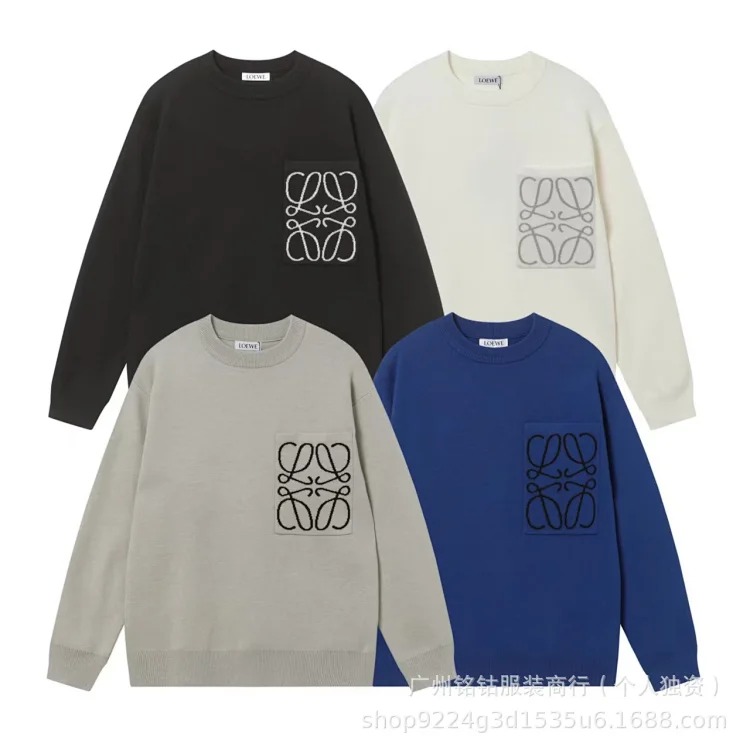
LOW letter jacquard knitted sweater
A neutral knit for quiet outfits where texture carries more weight than loud branding.
View on Outfitreps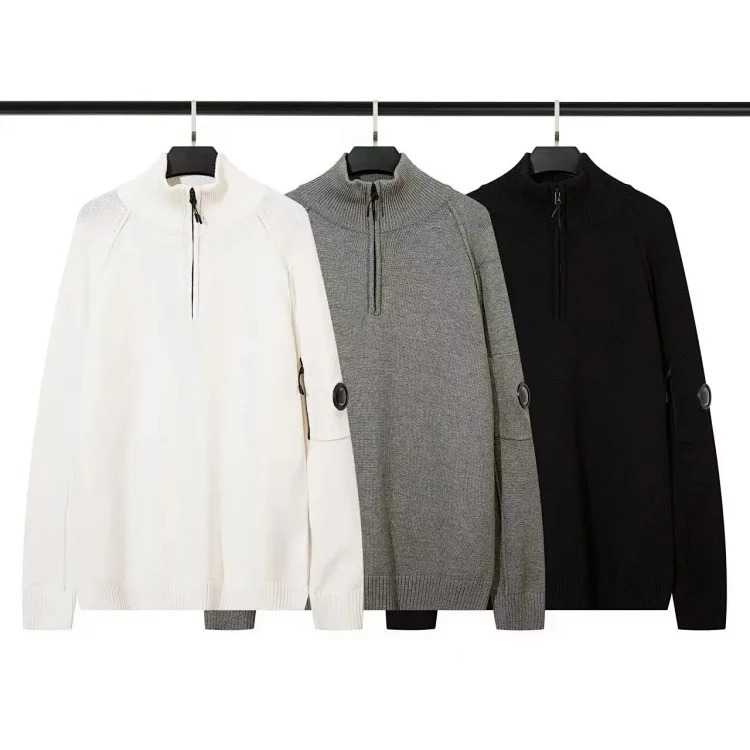
CP lens half-zip knitted wool sweater
A half-zip knit that adds structure and polish to understated daily looks.
View on Outfitreps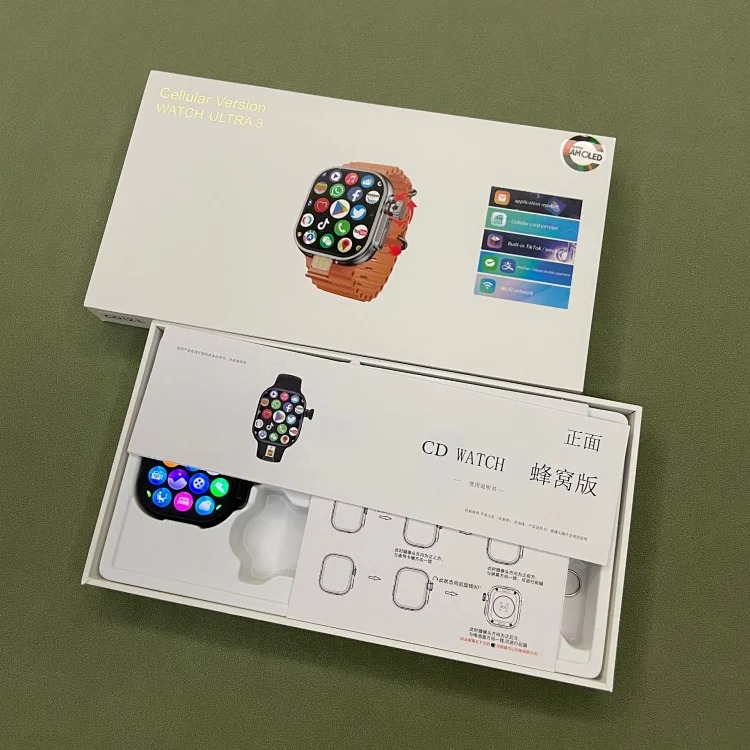
CD12 smart watch ultra touch AMOLED screen
A watch-style accessory for finishing minimal outfits without adding another clothing layer.
View on Outfitreps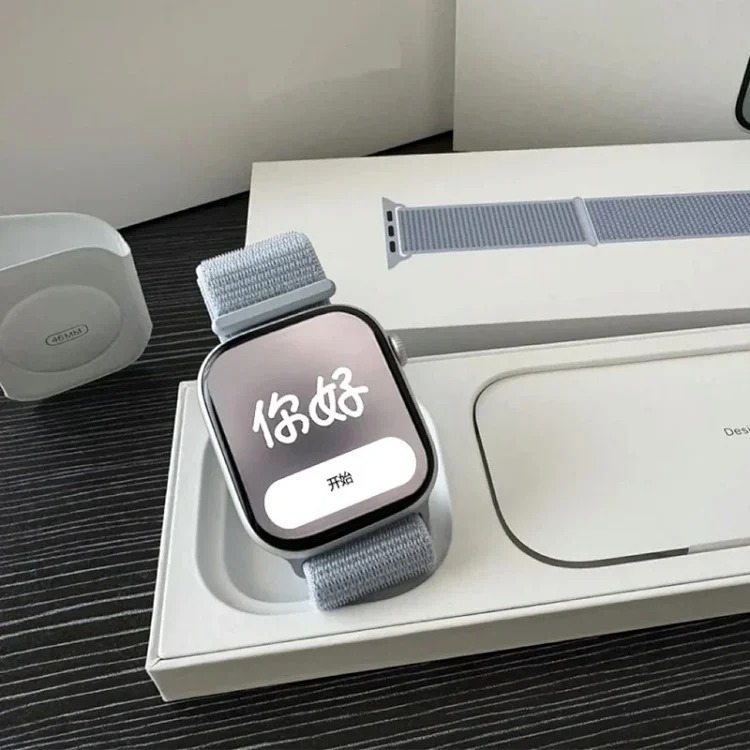
S11 smart watch multi-function 2025 model
A compact watch accessory for neutral outfits that need practical finishing detail.
View on Outfitreps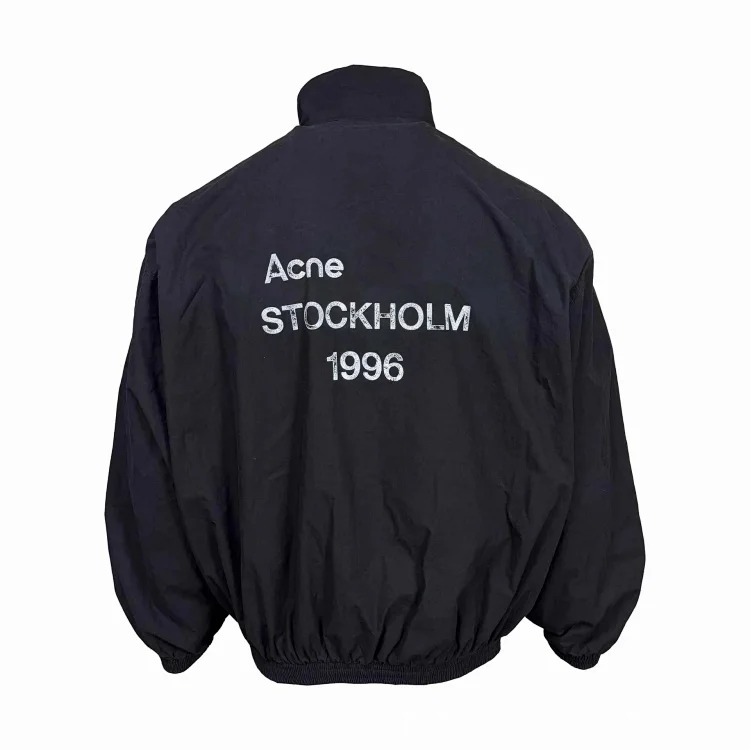
Washed distressed coach jacket unisex jacket
A quiet outer layer that adds shape without overpowering a minimalist color palette.
View on Outfitreps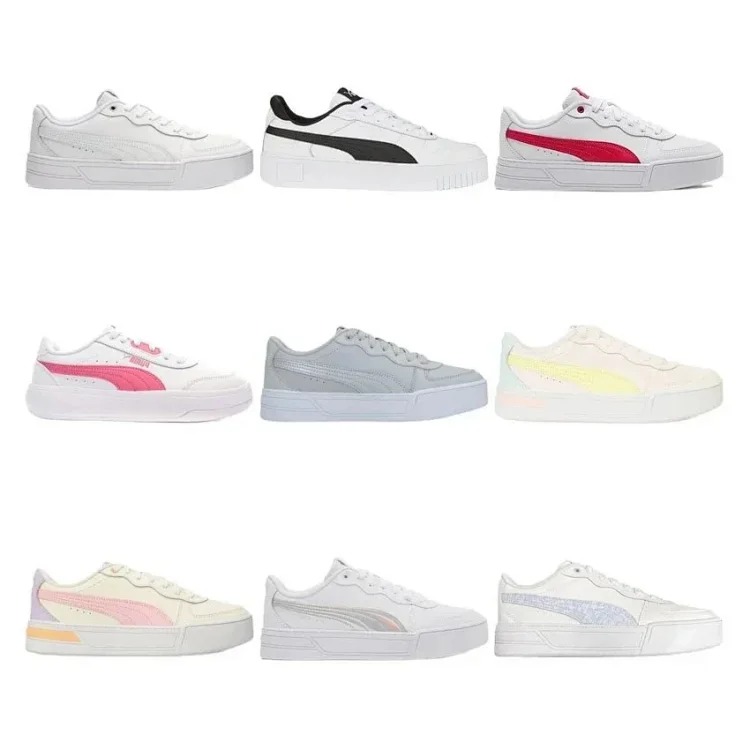
P**a Skye casual sneakers
A casual sneaker anchor for clean travel fits, easy airport walking, and simple daily styling.
View on OutfitrepsMinimalist neutral outfit planning overview
This minimalist guide uses direct Outfitreps product pages to show how quiet color, texture, and proportion can create outfits that still photograph well. The goal of this guide is not to push readers into a random category page. It is to give them a complete shopping route that begins with a real product photo, continues through a specific Outfitreps detail page, and ends with a more careful buying decision. Every product mentioned below uses an Outfitreps product image and a direct Outfitreps product URL, so the reader can open the exact item instead of landing on a broad category page and trying to search again.
A useful product guide should read like a checklist and a styling plan at the same time. The first job is visual screening: look at the main photo, judge whether the item matches the outfit role, and decide whether the shape, color, and texture fit the intended use. The second job is route screening: open the direct product page, check whether the title and image still match, and avoid relying on copied names alone. The third job is outfit planning: decide whether the item is a hero piece, a base layer, a travel layer, a footwear anchor, or a small accessory that completes a look without making the whole outfit feel noisy.
For this page, the linked Outfitreps products include LOW letter jacquard knitted sweater, CP lens half-zip knitted wool sweater, CD12 smart watch ultra touch AMOLED screen, S11 smart watch multi-function 2025 model, Washed distressed coach jacket unisex jacket, P**a Skye casual sneakers. They were selected because they give the guide a practical mix of tops, layers, pants, footwear, bags, watches, hats, or accessories instead of a single repeated product type. A reader can use the cards as a live shopping board: open one product, review the detail page, return to the guide, then compare the next product against the same outfit goal. That keeps the workflow cleaner than jumping between unrelated categories.
How to use the product links
Each product card has one main button. That button goes directly to the corresponding Outfitreps product detail page. It does not point back to this site and it does not send the user to a generic internal category page. This matters because a guide is only useful when the reader can follow the exact item being discussed. If the item is a hoodie, the button opens that hoodie. If the item is a sneaker, the button opens that sneaker. If the item is a watch or bag, the button opens that precise detail page. The guide therefore works as a curated route rather than a decorative article.
When checking an Outfitreps product page, start with the image set. Look for front views, close-up texture, readable labels when available, and any signs that the product photo is too generic. Then read the title slowly. Long titles can contain sizing, fit, material, or seasonal notes that are easy to miss. Next, think about how the item will be used. A travel hoodie needs different qualities from a summer tee; a neutral sweater needs a different role from a graphic long sleeve; a watch or bag can make an outfit feel more finished, but it should not distract from the main silhouette unless that is the point.
Image and fit notes
Images should be treated as the first filter, not the final proof. A clean image can show color, structure, and proportion, but a buyer still needs to compare the product title, available notes, and the rest of the outfit plan. For layered outfits, pay attention to shoulder width, sleeve volume, hem length, and whether the item can sit over or under another piece without bunching. For pants, check whether the leg shape works with the footwear. For sneakers, check the toe shape, midsole height, and whether the color blocks are easy to style. For accessories, check scale: a bag, phone case, cap, or watch should feel intentional in the outfit rather than randomly attached.
The safest way to build a look is to choose one anchor item and let the remaining pieces support it. If the anchor is a jacket, keep the tee or hoodie quieter. If the anchor is a sneaker, let the pants frame it cleanly. If the anchor is a graphic tee, make the jacket, pants, and accessories simpler. This method reduces the chance of buying several strong pieces that fight each other when worn together. A spreadsheet-style guide is most useful when it turns many choices into a smaller, cleaner set of decisions.
Agent-shopping checklist
Before using any product in an agent-shopping workflow, confirm that the product page is the exact page you intended to open. Do not rely only on a screenshot saved from a previous session. Open the direct Outfitreps link from the product card, compare the product name, and check the photo again. If the item is being shared with another person, share the product detail URL rather than a category URL. That reduces misunderstandings and makes it easier to return to the same item later.
For safer decision making, keep notes on three things: what the item is supposed to do in the outfit, what visual signals need to be checked, and what would make you reject it. For example, a hoodie might be rejected if the fit looks too narrow; a pair of pants might be rejected if the inseam shape does not work with the shoes; a watch might be rejected if the case looks too bulky for the rest of the outfit. These small rules help the reader avoid impulse choices and make the guide feel like a practical buying assistant.
Outfit planning method
Start with the activity. A travel outfit needs comfort, pockets, layers, and footwear that can handle long walking. A summer streetwear capsule needs breathable tops, shorts or lighter pants, a cap, and sneakers that still look sharp after repeated wear. A minimalist outfit needs texture and proportion because the color palette is intentionally quiet. A risk-alert guide needs even more discipline: the focus is not just what looks good, but how to avoid mismatched products, swapped photos, and confusing links.
Once the activity is clear, build the outfit in three layers. The base layer is the tee, long sleeve, or sweater that sits closest to the body. The structure layer is the jacket, hoodie, or outerwear that sets the silhouette. The finishing layer is footwear, bag, hat, watch, or other accessory. The linked Outfitreps cards below are arranged so the reader can move through those layers without leaving the guide. This is especially helpful on mobile because the product images, notes, and buttons sit together in one clear flow.
Why direct product pages matter
Direct product pages prevent confusion. A broad category page can change, reorder products, or show items that do not match the article. A specific product detail page gives the reader a stable target. It also makes the guide more useful for SEO and for real shoppers because the article connects advice to a concrete action. The reader does not have to guess which hoodie, shoe, bag, sweater, or watch the guide means. They can click the exact button and inspect the exact product.
This approach also makes future maintenance easier. If a product becomes unavailable, the single product card can be swapped for another Outfitreps detail page without rewriting the whole article. The article remains a long-form guide, while the product cards act as the live shopping layer. That separation keeps content readable and keeps product routing practical.
Final buying notes
Use the linked items as a starting shortlist, not as automatic purchases. Compare the photos, think about sizing, and decide how each product supports the outfit. If two pieces do the same job, choose the cleaner one. If an accessory does not improve the outfit, skip it. If a product image looks unclear, keep looking. Good shopping guides are not only about finding more products; they are about reducing bad choices and making each click more intentional.
The cards below are therefore placed as working links, not decoration. Open them one by one, inspect the Outfitreps detail pages, and use the notes in this guide to decide which pieces deserve attention. That keeps the route simple: read the guidance, review the specific Outfitreps product, and make the next decision with better context.