Streetwear QC Photo Checklist Before You Buy
A QC-style checklist for reviewing Outfitreps product images, direct links, titles, and outfit roles before buying.
This guide is part of the CNFans Supersheet library for cnfans shoppers, cnfans spreadsheet research, cnfans finds discovery, agent-ready product links, QC-style checks, and outfit planning before buying.
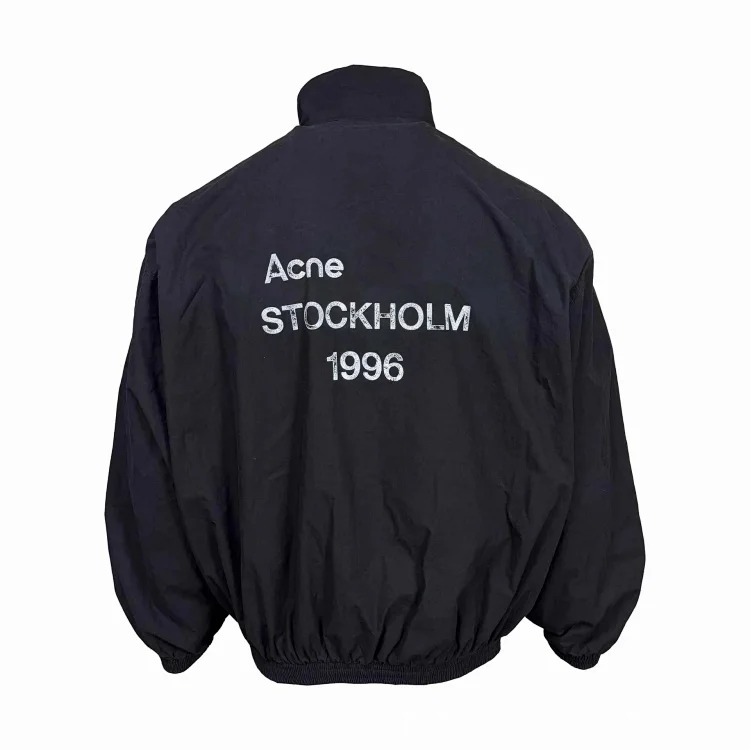
Washed distressed coach jacket unisex jacket
A quiet jacket option for neutral outfits that need shape and texture.
View on Outfitreps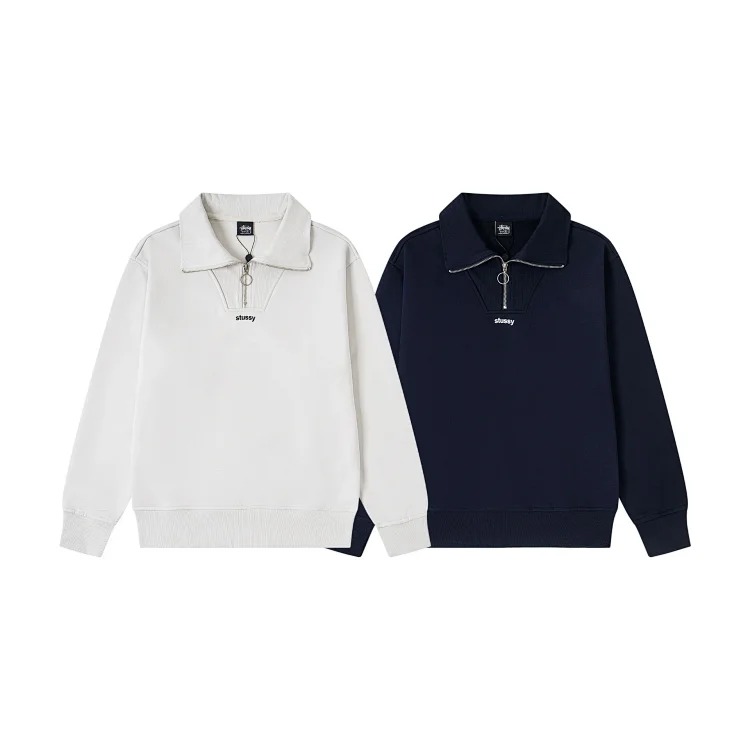
Straight fit loose fit half zip stand collar sweatshirt
A clean half-zip layer for casual streetwear, travel, and light outerwear styling.
View on Outfitreps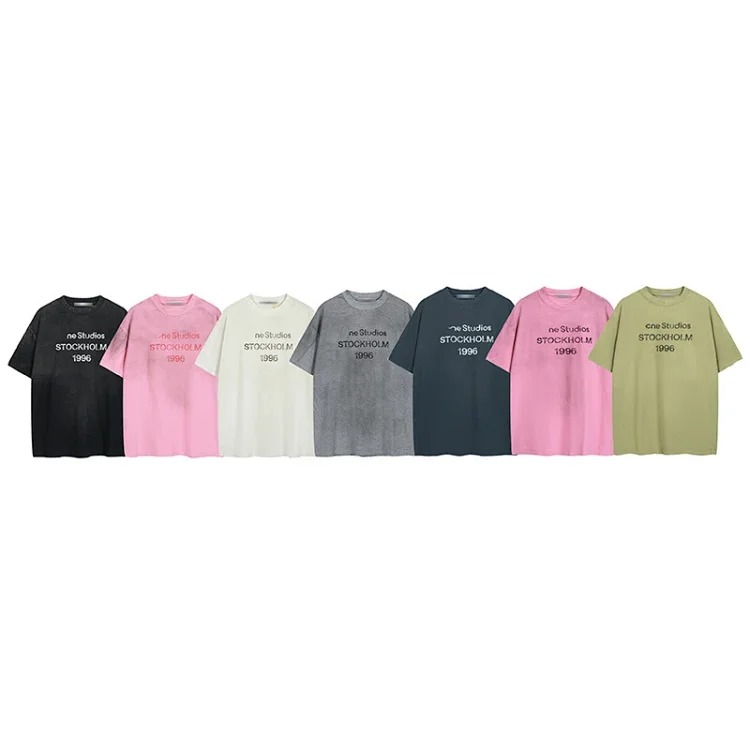
AC1996 washed gradient letter printed short-sleeved T-shirt
A graphic short-sleeve option for outfits that need a stronger visual center.
View on Outfitreps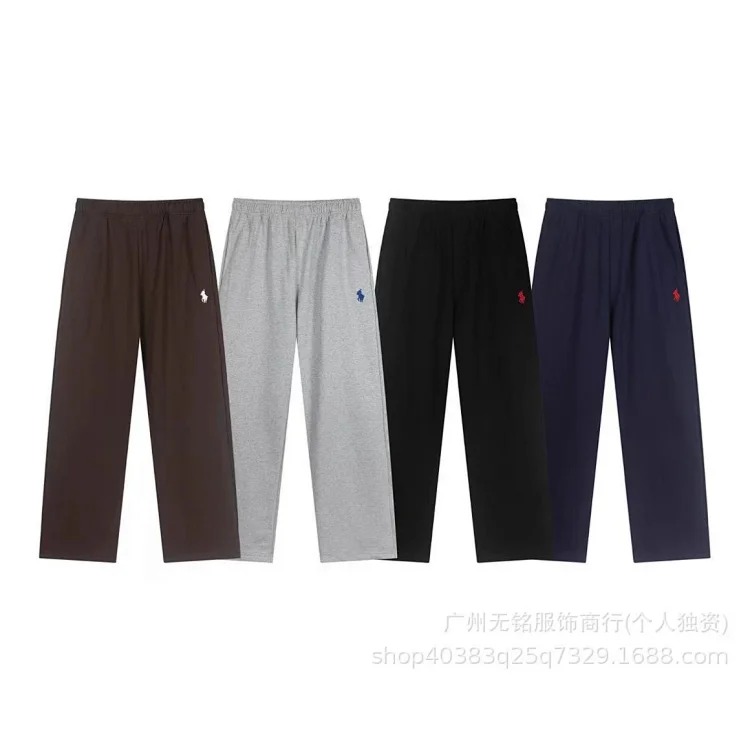
RL pony embroidered heavyweight straight sweatpants
Straight sweatpants for daily outfits where comfort and clean shape both matter.
View on Outfitreps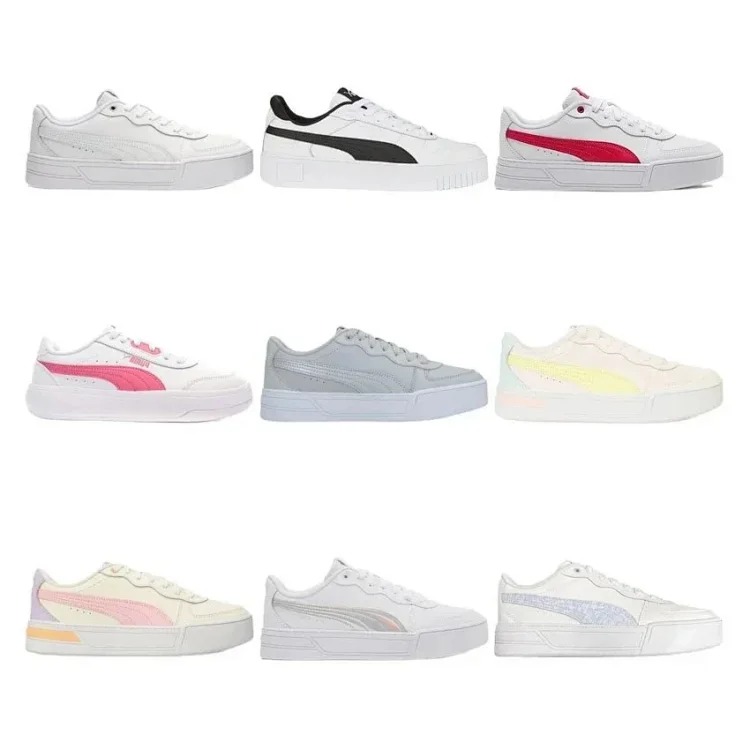
P**a Skye casual sneakers
A casual sneaker anchor that works with pants, tees, hoodies, and relaxed capsules.
View on Outfitreps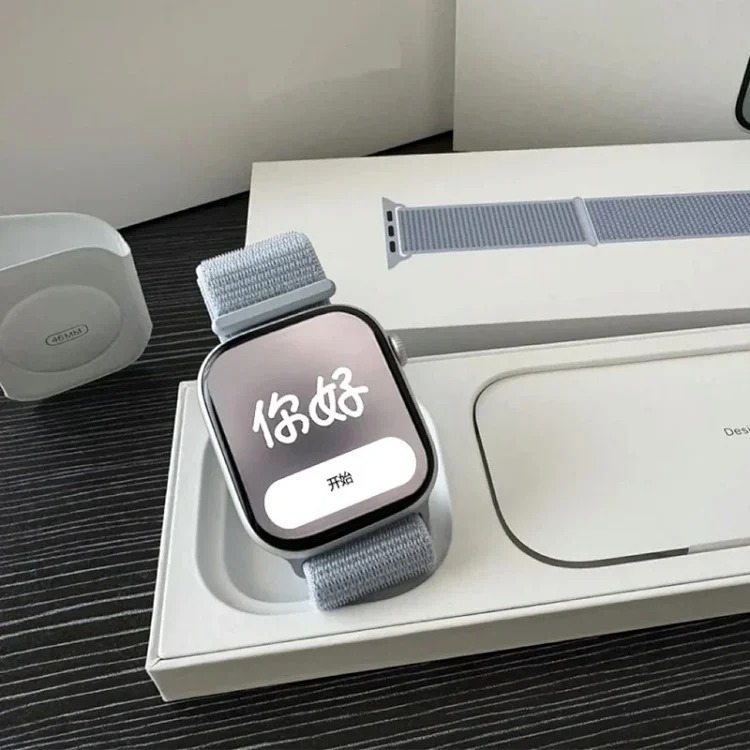
S11 smart watch multi-function 2025 model
A second watch option for comparing size, screen style, and accessory impact.
View on OutfitrepsStreetwear QC photo checklist overview
This checklist guide is about slowing down before purchase and using direct Outfitreps product pages as evidence. This guide is written as a practical shopping route rather than a loose inspiration board. Every product card uses a real Outfitreps image and a direct Outfitreps product detail URL, so the reader can open the exact item being discussed. That matters because a useful guide should reduce searching time. It should help the reader compare real product pages, identify the role of each item, and decide which pieces are worth deeper inspection before using an agent-shopping workflow.
The linked Outfitreps products in this article include Washed distressed coach jacket unisex jacket, Straight fit loose fit half zip stand collar sweatshirt, AC1996 washed gradient letter printed short-sleeved T-shirt, RL pony embroidered heavyweight straight sweatpants, P**a Skye casual sneakers, S11 smart watch multi-function 2025 model. They were chosen to give the page a complete outfit logic instead of a random group of items. Some pieces act as anchors, some act as layering support, and some finish the look with accessories. A strong shopping guide should explain that difference. A hoodie, jacket, sneaker, knit, cap, watch, or pair of pants should not be judged only by whether it looks good alone. It should be judged by what it does inside a full outfit and whether the product page gives enough visual information to make a confident decision.
Start by opening one direct product button at a time. Look at the product image, the item title, the category path, and any visible price or naming signal. Then come back to the guide and compare it with the next card. This rhythm prevents the common problem of opening too many tabs, losing track of which item belongs to which outfit idea, and then making a purchase decision from memory instead of evidence. Direct links make the route cleaner, especially for mobile users who need to move quickly between article and product page.
How to compare the product cards
The first comparison point is silhouette. A wide pant changes the entire outfit, a half-zip knit changes the neckline, a sneaker changes the visual weight at the bottom, and a jacket controls the outer shape. If an item has a strong silhouette, the rest of the outfit should give it space. If an item is quieter, it can work as a supporting layer. When a guide links several products, the reader should decide which item is the visual leader and which items are just helping the look feel complete.
The second comparison point is texture. Knitwear, cotton tees, fleece hoodies, washed jackets, sports socks, and watch accessories all photograph differently. Texture is especially important in neutral outfits because color is not doing all the work. If the palette is simple, the surface needs interest. A knit can look richer than a flat sweatshirt, a washed jacket can add depth, and a clean sneaker can make the lower half feel sharper. The Outfitreps product images should be used as the first filter for these details.
The third comparison point is use case. Travel outfits need comfort and pockets. Summer outfits need airflow and easy repetition. Streetwear outfits often need one stronger focal piece. Minimal outfits need proportion. Risk-aware buying needs clear product identity and fewer confusing links. Before clicking a product button, decide why the item is included. If the answer is vague, the product probably does not belong in the outfit.
Direct Outfitreps links and why they matter
All product buttons on this page go to specific Outfitreps product detail pages, not to local category pages and not to broad collection pages. This is intentional. A category page can change, reorder products, or make the reader search again. A direct detail URL lets the reader inspect the exact product, compare the title against the image, and keep the buying route stable. It also makes the guide more useful for repeat visits because the reader can return to the same item without guessing.
When a product page opens, do not rush. Check whether the product title matches the image. Check whether the category feels logical. Check whether the product appears to be a top, bottom, shoe, accessory, or outerwear item. If a product title and image feel mismatched, treat that as a warning sign. It does not always mean the item is unusable, but it does mean the buyer should slow down and verify more carefully before copying the link into any outside workflow.
Direct links also make sharing easier. If a reader wants to send an item to a friend or save it for later, the exact Outfitreps URL is more useful than a generic category URL. It avoids confusion and keeps the recommendation tied to one product. For a spreadsheet-style shopping site, that precision is a big part of the value.
Building the outfit around these finds
A simple method is to divide the outfit into base, structure, and finish. The base is usually a tee, knit, or lightweight top. The structure is the hoodie, jacket, or pant silhouette that creates the shape. The finish is the sneaker, cap, watch, socks, or small accessory that makes the outfit feel deliberate. A product does not need to be loud to be important. Sometimes the quietest item is the one that makes the whole outfit work.
For warmer weather, keep the base layer breathable and let accessories carry some personality. For colder or travel-focused outfits, prioritize layers that can be added or removed without ruining the look. For neutral outfits, avoid buying too many similar pieces that perform the same job. One clean knit, one jacket, one pant, one sneaker, and one accessory can be enough. The reader should use the product cards as a shortlist, then decide whether each item earns a role.
Fit planning should come before brand excitement. A famous-looking piece will still fail if the sleeve length, pant shape, or shoe volume is wrong for the outfit. Use the Outfitreps image as the first sign, then use the product page to inspect any details that are visible. If the item cannot be judged from available information, save it for later and compare another product instead.
QC-style review checklist
Before committing to any linked product, ask five questions. Does the main image clearly show the item? Does the title match what the image shows? Does the item have a clear role in the outfit? Would it still work if worn with pieces already owned? Is the direct product page easy to return to later? If the answer to several questions is no, the product should not be treated as a priority.
For shoes, inspect toe shape, sole thickness, and color blocking. For pants, inspect rise, leg width, and how the hem might stack. For hoodies and jackets, inspect body width, sleeve volume, and zipper or collar structure. For knits, inspect texture and neckline. For accessories, inspect size and whether the item supports the outfit or distracts from it. These checks make the guide more useful than a simple list of links.
The safest shopping workflow is slow, repeatable, and specific. Open the product card, inspect the Outfitreps detail page, write down the item role, then compare it with the next product. Do not copy several links just because they appear on the same page. The goal is to build a better shortlist, not a bigger one.
Final recommendations
Use this guide as a working product map. The article gives the reasoning, the cards give the actual Outfitreps pages, and the reader supplies the final judgment. A good outfit can come from one strong item and several quiet ones. A bad outfit often comes from too many pieces competing at once. The product cards below are useful because they let the reader compare specific items without leaving the context of the guide.
If an item looks promising, open its Outfitreps button and review the detail page carefully. If it does not fit the outfit goal, skip it. The best buying decisions are usually the ones where the buyer understands why a product belongs in the outfit before clicking deeper. That is the purpose of this guide: fewer random clicks, clearer product routes, and more intentional Outfitreps shopping.